Summary: A round-up of my October 2024 explorations. I share highlights from conversations with Karima Kadaoui and Louis Klein about the Tamkeen Community Foundation’s compassionate approach in Morocco, with the Asia Foundation on accountability, and with colleagues involved in Human Learning Systems, Just Systems and other initiatives. It may interest people exploring relational and learning-centred approaches to social change.
- Tamkeen’s co-reflective, compassionate approach offers a different way of supporting social change.
- Accountability can be understood as an emergent property of complex social systems, not just a mechanism to install.
- Social change initiatives need to diagnose context-specific dynamics, let that diagnosis shape their strategies, and learn and adapt as they go.
About 4 minutes to read the full piece.
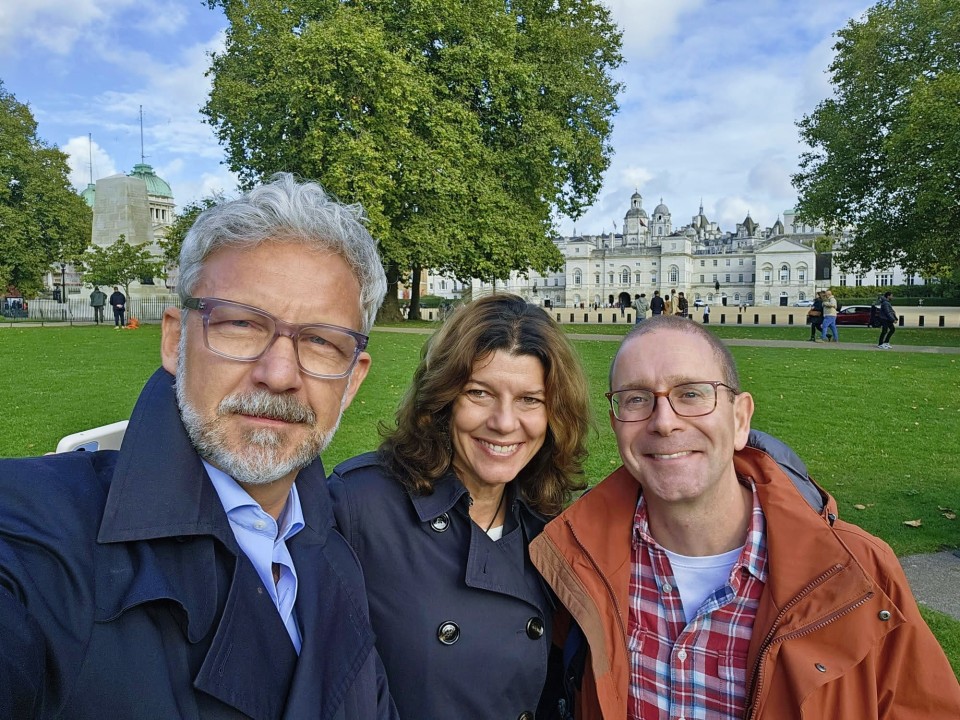
October was a fruitful month, despite the challenge of a ruptured achilles tendon and the stress of working out whether I’ll need surgery (learning points: stretch more, listen to your body, and when you get injured get that injury diagnosed properly, early!).
Some of the highlights included:
- Spending a wonderful afternoon in St. James’s Park with Karima Kadaoui and Louis Klein (see photo above), discussing the co-reflective and compassionate approach to supporting social change that the Tamkeen Community Foundation has been supporting in Morocco (my notes from a May 2024 discussion about tamkeen, here);
- Making the trip to Oxford to meet with Cynthia Rayner at the Skoll Centre for Social Entrepreneurship and chat about eco-systemic approaches to nurturing networks of social entrepreneurs, and to participate in the UK launch of the Global Innovation Index;
- Exploring the implications of thinking about accountability as an emergent property of complex social systems, with Nicola Nixon, Sumaya Saluja and Ujjwal Krishna from the Asia Foundation (see also La Trobe University’s work on accountability ecosystems in the Pacific);
- Discussing the insights generated through the latest round of reflection by the Human Learning Systems collaborative, including as regards relational public service, learning as a management strategy, and what sorts of governance and accountability can support effective learning in complex social systems.;
- Learning more about relational and process-oriented approaches to social complexity, through Jean Boulton’s new book on the Dao of Complexity (my notes here) and, thanks to Jean’s recommendation, through the work of Edgar Morin on restricted and general complexity; and
- Catching up with Rakesh Rajani and Risha Chande to discuss their plans for Just Systems (my notes from a recent presentation, here), a conversation which stimulated my thinking about the importance of social change initiatives (and efforts to fix injured achilles tendons!):
- Diagnosing the context-specific dynamics of the systems they seek to change (including the behaviours of various actors);
- Using that diagnosis to inform their strategies and actions for engaging in those contexts, and;
- Leveraging data, sense-making and learning to support adaptive and effective implementation of those strategies.
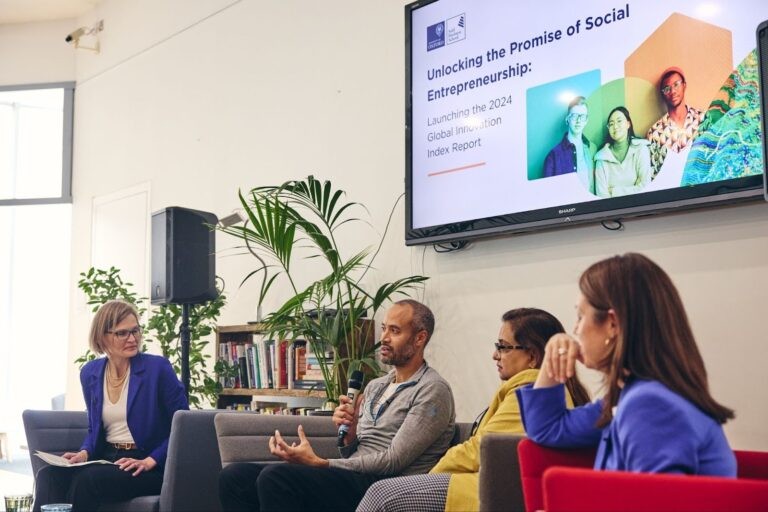
Skoll Centre launch of Global Innovation Index. Image credit: Portulans Institute
Over the course of October I also shared my reflections on:
- actors, relationships and change in response to an interesting question posed by Toby Lowe of Human Learning Systems fame;
- mobilizing cycles of systems change, stimulated by the example of World Bicycle Relief and the comments of Nathaniel Heller; and on
- the value and limits of the Nobel prize winning work of Acemoglu, Johnson and Robinson, - stimulated by Yuen Yuen Ang’s excellent analysis.
For what it’s worth, my piece on mobilizing cycles of systems change does, I think, quite a good job of illustrating how a systems change perspective can be usefully applied to think about social change initiatives that are refreshingly practical rather than grandly ambitious.
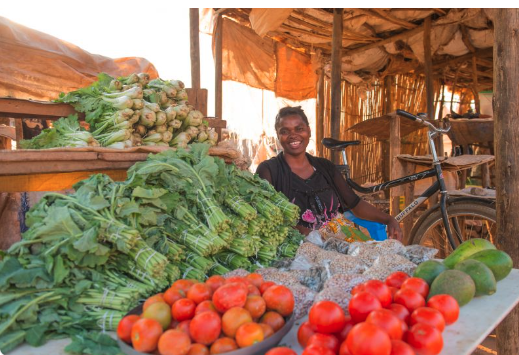
Image credit: World Bicycle Relief
A full compilation of the various things I’ve read, watched and listened to over the course of October - along with summaries and URLs - can be found here. From this collection of resources I’ve found useful, particular highlights include:
- reflections on the idea that learning is change, from Marcus Jenal and, from 2023, Anna Birney;
- a review of the +1 Global Fund’s four years of learning and impact, by Lior Ipp, the CEO of the Roddenberry Foundation (now added to my comparative assessment of funders that take an emergent and ecosystemic approach to supporting social change);
- USAID’s recently published position paper on their approach to supporting the emergence of local systems, the associated summary of feedback and annotated systems practice literature review; and
- Clare Cummings’ insightful reflections about the value of including cultural considerations alongside political economy analysis (particularly interesting to me given my engagement with SOAS Anti-Corruption Evidence Research Consortium; draft Executive Summary to forthcoming how-to guide, here) .
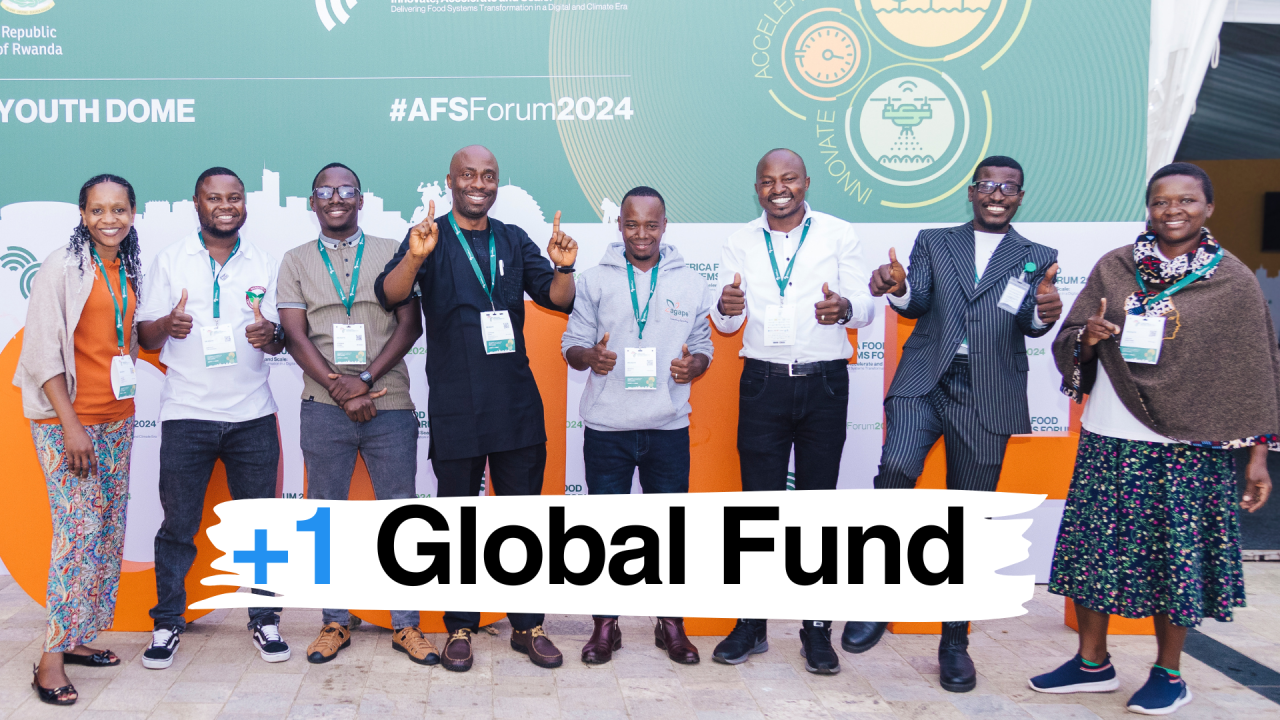
Image credit: The Roddenberry Foundation
I’m excited to continue exploring whether and how I might support the work of organizations and initiatives that are seeking to support change in complex social systems, and to facilitate collaborative learning amongst such initiatives. This month, I’m looking forward in particular to a couple of things.
- First, to sharing my reflections on ecosystems, emergence and social change at a conference organised by the Philea network of European philanthropies.
- Second, to a conversation about relational phrases on the 18th November, convened by the wonderful folks at the Relationships Project.
- And third, to participating in the launch of the latest insights to emerge from the cycles of action and learning stewarded by the Human Learning Systems collaborative, on 25th November (register here).
Thanks for reading! If any of the above piques your interest and you’d like to learn more - or if you want to see my notes and highlights from the things I’ve been reading - just drop me a line. October was a pro bono month, so I’ve got space to provide more substantive support if that might be helpful. Or, if you’d like to receive my occasional - monthly, more or less - updates by email (archived here), please sign up here. Oh, and here’s an AI-generated discussion of my piece on ecosystems, emergence and social change. The discussants are much more American than I am, but “they” do a pretty good job of exploring the issues!
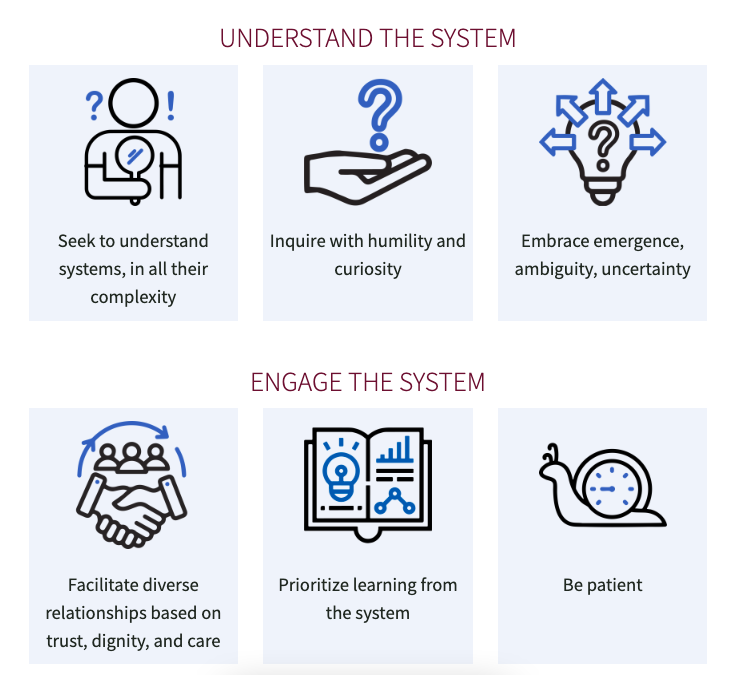
Image credit: USAID’s local systems position paper
First published on LinkedIn, 4 November 2024.
Themes: Nurturing relationships and building community, Learning systems and adaptive practice, Love, compassion and social change
Topics: relationships, learning systems, love and compassion