Complexity is the context, gardening is the practice
Knowledge gardening is how I nurture an interconnected, evolving and emergent network of knowledge about complex social systems, gathered around open learning questions and drawn on to cook up interesting things. Engaging effectively in a complex system requires an iterative process of action and learning; a regularly tended garden lets ideas emerge, connect and mature over time, and keeps them tied to action.
My knowledge gardening practices are intentionally aligned with the complex nature of the landscapes they are meant to inform. I tend the garden, and the connections that make it more than the sum of its parts, in much the way I try to engage with complex social landscapes: attentively, iteratively, focusing on relationships and with an eye to what might fit the context.
My knowledge gardening workflow
My garden lives in Tana Outliner, the software I’ve been using to manage knowledge for the past four years. Claude, an AI assistant, helps with much of the routine tending. The work flows through four stages, resting on a fifth.
- Gathering: I highlight articles and videos in Readwise Reader and podcasts in Snipd, and the highlights flow into Tana Outliner alongside my notes from meetings and events.
- Cultivating: I tag each source and note by topic, so that one insight can serve many questions, and link notes to the learning questions I’m exploring, tending the most promising ideas from germinating to harvesting.
- Cooking: I draw on the garden to make things for particular people: a synthesis, a briefing, a reading list, a presentation, a project proposal, a blog post.
- Sharing: I share what I’ve made here, on LinkedIn and in conversations and events.
My mum’s top tips for gardening
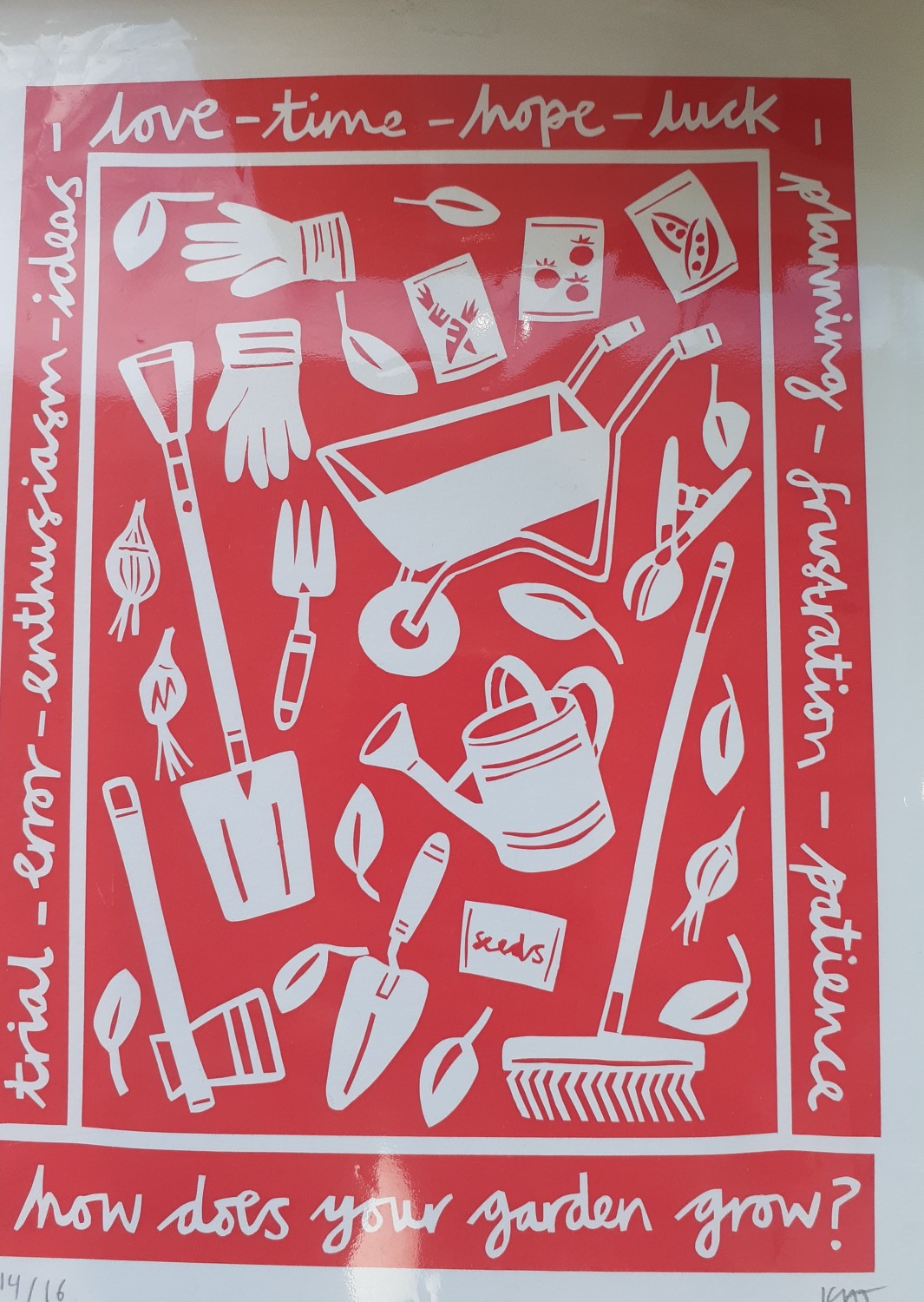
My mum is a seasoned and skilful gardener. When I wrote about digital gardens in 2023, she sent me her top tips. I find they work just as well for tending ideas.
- Choose plants that are appropriate to aspect, soil type, and conditions.
- Do not have so many plants that there is not enough time or energy to give them adequate care.
- However attractive a plant is, do not buy it if it will not fit in or flourish in the garden.
- Dead-head flowers to get more blooms, and do pruning to keep control/keep in shape. Also, as for tomatoes, restrict the number of shoots and fruits so that there will be a strong plant and good fruit.
- Tend the garden regularly, little and often, and take time to notice the growth and change, hopefully to be pleased about it.
Find out more
- Knowledge gardening in complexity (July 2024)
- Knowledge gardening in complexity, in action (August 2025)
- A human and some loops: Crafting an AI-assisted synthesis on health systems corruption (May 2026)
- My practice of AI-supported research synthesis
- Video: using Tana for knowledge gardening (2024)
Curious about knowledge gardening for your own work? Let’s connect.